
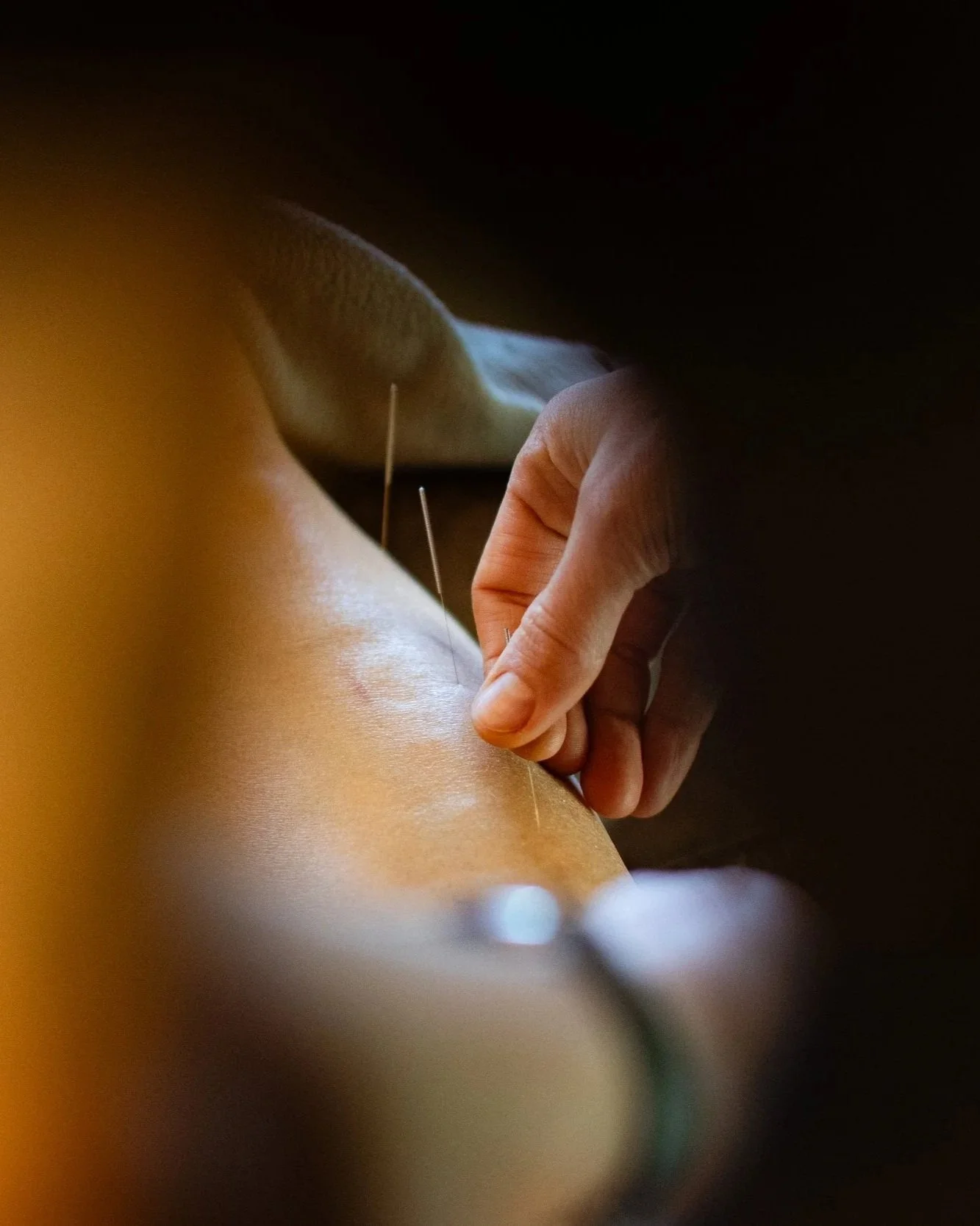
If you are considering acupuncture for the first time, it is reasonable to have questions: Does it hurt? Are the needles sterile? What are the risks? Does acupuncture interact with medication?
These are good questions—and ones you should feel comfortable asking. Acupuncture, when provided by a trained, licensed practitioner using sterile, single-use needles, is generally considered a low-risk procedure.
Safety begins before a needle is placed. With a thorough health history, an informed treatment plan, appropriate point selection, and attention to anatomy, medications, and individual risk factors, we always work hard to provide a safe, comfortable, stress-free acupuncture session.
What makes acupuncture safe?
In Pennsylvania, acupuncture is a licensed healthcare profession. A licensed acupuncturist has completed formal education and clinical training, passed national board examinations, and meets state requirements for practice.
At Bridge Acupuncture and most professional acupuncture practices, you can also review the credentials and training of your acupuncturist, commonly listed on a practitioner bio page, before beginning care. Your acupuncturist uses their training and clinical foundation to tailor treatment to the individual rather than applying a one-size-fits-all protocol.
Needle safety matters, too. In the United States, the FDA regulates acupuncture needles as medical devices to be used only by authorized, trained and licensed medical professionals (mainly licensed acupuncturists), and requires them to be sterile and labeled for single use. Needles are never reused between patients.
A safe treatment also depends on clinical judgment. Your acupuncturist considers your health history, current symptoms, medications, pregnancy status, history of fainting, sensory sensitivity levels, and the anatomical area being treated. This screening is part of why your first visit includes a detailed intake and other forms of examination and observation, rather than simply beginning treatment immediately.
Does acupuncture hurt?
Most people are surprised by how little acupuncture hurts.
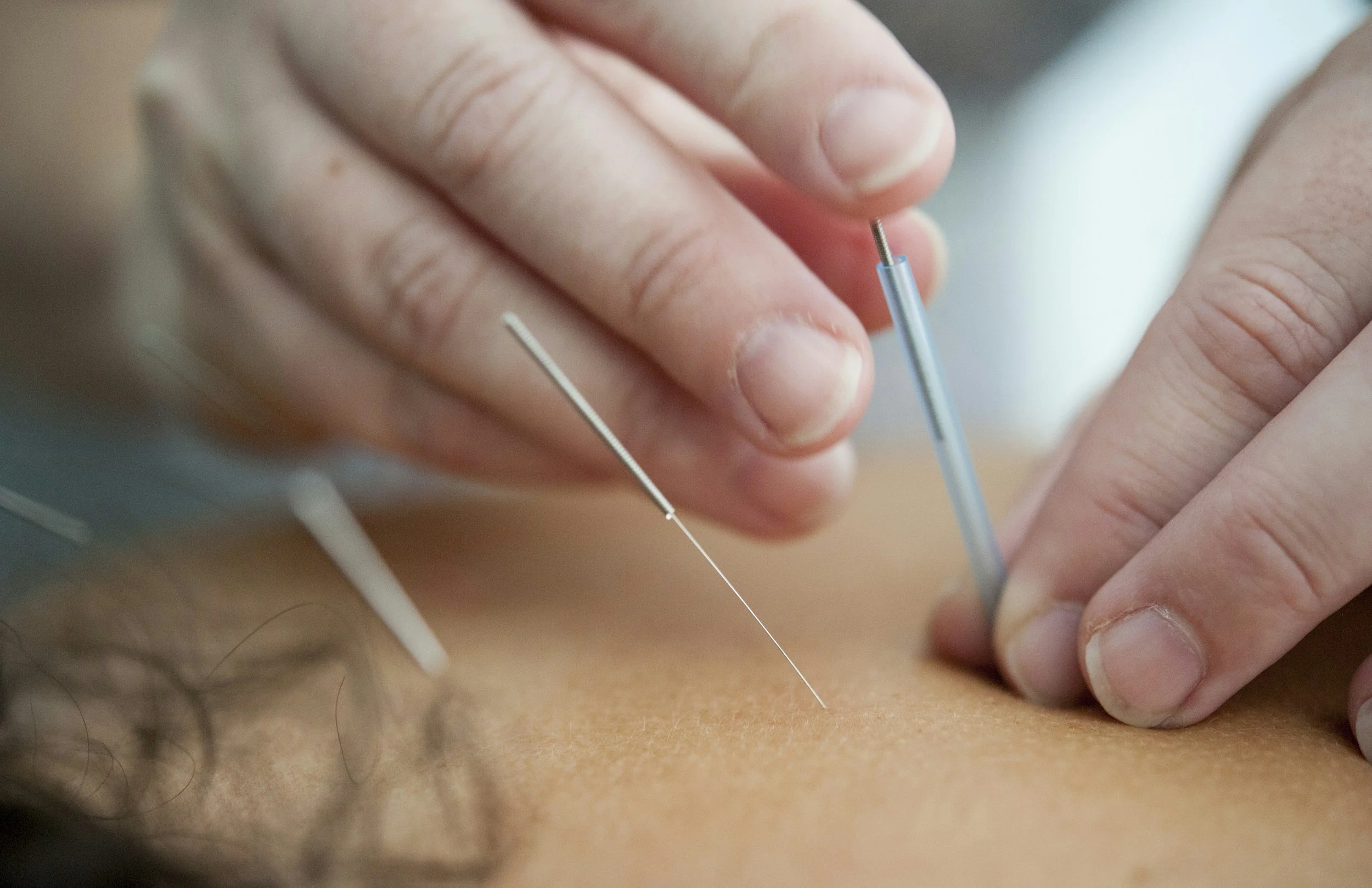
Acupuncture needles are much thinner than the hollow needles used for injections or blood draws. You may feel a quick pinch as a needle is inserted, but many people feel little or nothing at all. An experienced acupuncturist also knows many methods to “distract” the sensation from needle insertions, making the process as comfortable as possible.
Once a needle is in place, sensations can include warmth, heaviness, tingling, a dull ache, or a mild spreading sensation. Those sensations are not the same as sharp or escalating pain and most patients actually enjoy acupuncture sensations. During the retention of needles, many patients become very relaxed and even sleepy!
If anything feels uncomfortable, you are invited to tell your practitioner right away. Needles can be adjusted, removed, or avoided entirely in a particular area. A skilled acupuncturist will have many needle sizes and strategies available to enable even the most sensitive patient to receive care.
Common side effects
Even when acupuncture is performed carefully, minor side effects can occur. The most common include:
Brief soreness or tenderness where a needle was inserted
A small spot of bleeding after a needle is removed
Minor bruising
Temporary lightheadedness or fatigue
Feeling deeply relaxed or sleepy after a session
These effects are usually short-lived. Soreness or a small bruise may be more likely if you bruise easily or take medication that affects clotting. Certain points are avoided when patients take blood thinners; however, patients blood thinners safely receive acupuncture.
It is also possible to experience a temporary change in symptoms after treatment. For example, an already-sensitive muscle may feel achy for a short period before settling. Let your practitioner know about any reaction you experience so it can be documented and considered in future treatment planning.
Rare risks: what to know
Serious complications are uncommon with acupuncture, but they can occur, particularly when acupuncture is performed improperly (often by a non-licensed acupuncturist) or with nonsterile equipment. Documented but rare adverse events include infection, injury to underlying tissue or organs, and pneumothorax—a collapsed lung caused by a needle placed too deeply in certain areas of the upper back or chest (all typically requiring hospitalization).
These risks are precisely why practitioner training, sterile technique, anatomical knowledge, and individualized treatment matter. A licensed acupuncturist reduces risk through measures such as:
Using sterile, disposable, single-use needles
Inspecting and, if necessary, preparing the skin appropriately
Understanding anatomy in great detail, palpating the body, and selecting needle depth and angle based on anatomy, palpation and precautionary technique
Taking extra care around the chest, upper back, neck, and other anatomically sensitive regions
Reviewing your medical history and medications before treatment
Monitoring you during the session and adjusting treatment as needed
No medical procedure is completely without risk, but acupuncture by a trained professional can be considered a low-risk procedure. We do not dismiss the actual risks, but we undergo extensive training to recognize and minimize them. Our goal is to make sure you understand how risk is assessed and reduced, and how the risks of acupuncture compares to those of other common options.
How common are acupuncture risks compared to NSAIDs and steroid shots?
In a systematic review of prospective studies covering more than 10 million acupuncture treatments, serious adverse events were reported in approximately 8 people per 1 million treatments. “Serious” is a regulatory term that does not automatically mean the event was caused by acupuncture. In the review’s case-by-case assessment, fewer than half of the reported “serious” events were even considered possibly related to treatment.
NSAIDs– common, over-the-counter analgesics like ibuprofen– may cause several thousand deaths per year and hundreds of thousands of hospitalizations. Published estimates for conventional NSAID use have placed hospitalization for serious complications at roughly 1 in 175 users per year, with the mortality of hospitalized patients at about 5-10%.
A safety review of corticosteroid injections found major adverse event rates as high as 5.8%, though the authors had difficulty making confident estimates due to poor data. These adverse events included infection, tendon rupture, and tissue/skin atrophy. A recent review similarly identified potential complications from corticosteriod injections to include infection, tendon rupture, accelerated osteoarthritis progression, bone injury, skin hypopigmentation or atrophy, and post-injection pain flare.
What to tell your acupuncturist
Acupuncture can be appropriate for many people, but certain circumstances call for additional planning or coordination with your medical team. Tell your acupuncturist before treatment if you:
Are pregnant or trying to conceive
Take blood thinners or have a bleeding disorder
Have a pacemaker or implanted electrical device, especially if electroacupuncture may be considered
Have an active skin infection, rash, wound, or other irritation where needles might be placed
Have a history of fainting with needles, injections, or blood draws
Have a significant medical condition, recent surgery, or unexplained new symptoms
Pregnancy does not automatically rule out acupuncture, but treatment should be modified carefully because some points and techniques may not be appropriate during pregnancy.
Likewise, people taking anticoagulant medication may still receive acupuncture, but their clinician should know so treatment can be planned with appropriate precautions.
Acupuncture should complement—not replace—urgent or necessary medical care. Seek prompt medical evaluation for symptoms such as chest pain, trouble breathing, sudden weakness, severe injury, signs of infection, or other urgent concerns.
What happens at a first acupuncture visit?
For many first-time patients, uncertainty is more uncomfortable than the treatment itself. Knowing what to expect can help.
Your first visit typically includes:
A detailed conversation. You will discuss your main concerns, health history, medications, prior treatments, and goals.
A treatment plan. Your acupuncturist explains the recommended approach and answers questions before treatment begins.
Comfortable positioning. You will rest on a treatment table, usually fully clothed or draped except for the areas that need to be accessed.
Needle insertion. Your practitioner uses sterile, single-use needles and checks in about your comfort throughout the session.
A period of rest. Needles commonly remain in place while you relax in a calm treatment environment.
Aftercare guidance. You may receive recommendations about hydration, activity, nutrition, and what to notice before your next visit.
You are always in control of the session. You can ask questions, request modifications, or decide not to proceed with any part of treatment.
Is acupuncture safe in Doylestown, PA?
If you are looking into acupuncture in Doylestown or elsewhere in Bucks County, PA, it is wise to be discerning. Ask who will be treating you, what credentials they hold, whether sterile single-use needles are used, how your health history will be reviewed, and what you should expect after treatment.
Those questions are not signs that you are difficult or overly cautious. They are signs that you are taking your health seriously.
If you are ready to explore acupuncture—or simply want a conversation before committing to care—you can book with Bridge Acupuncture through our online scheduling page or reach out to us here.