Bridge Acupuncture Blog

Is Acupuncture Safe? What to Know About Risks and Side Effects
If you are considering acupuncture for the first time, it is reasonable to have questions: Does it hurt? Are the needles sterile? What are the risks? Does acupuncture interact with medication?
These are good questions—and ones you should feel comfortable asking. Acupuncture, when provided by a trained, licensed practitioner using sterile, single-use needles, is generally considered a low-risk procedure.
What is Electro-Acupuncture? Benefits, Uses, and What to Expect
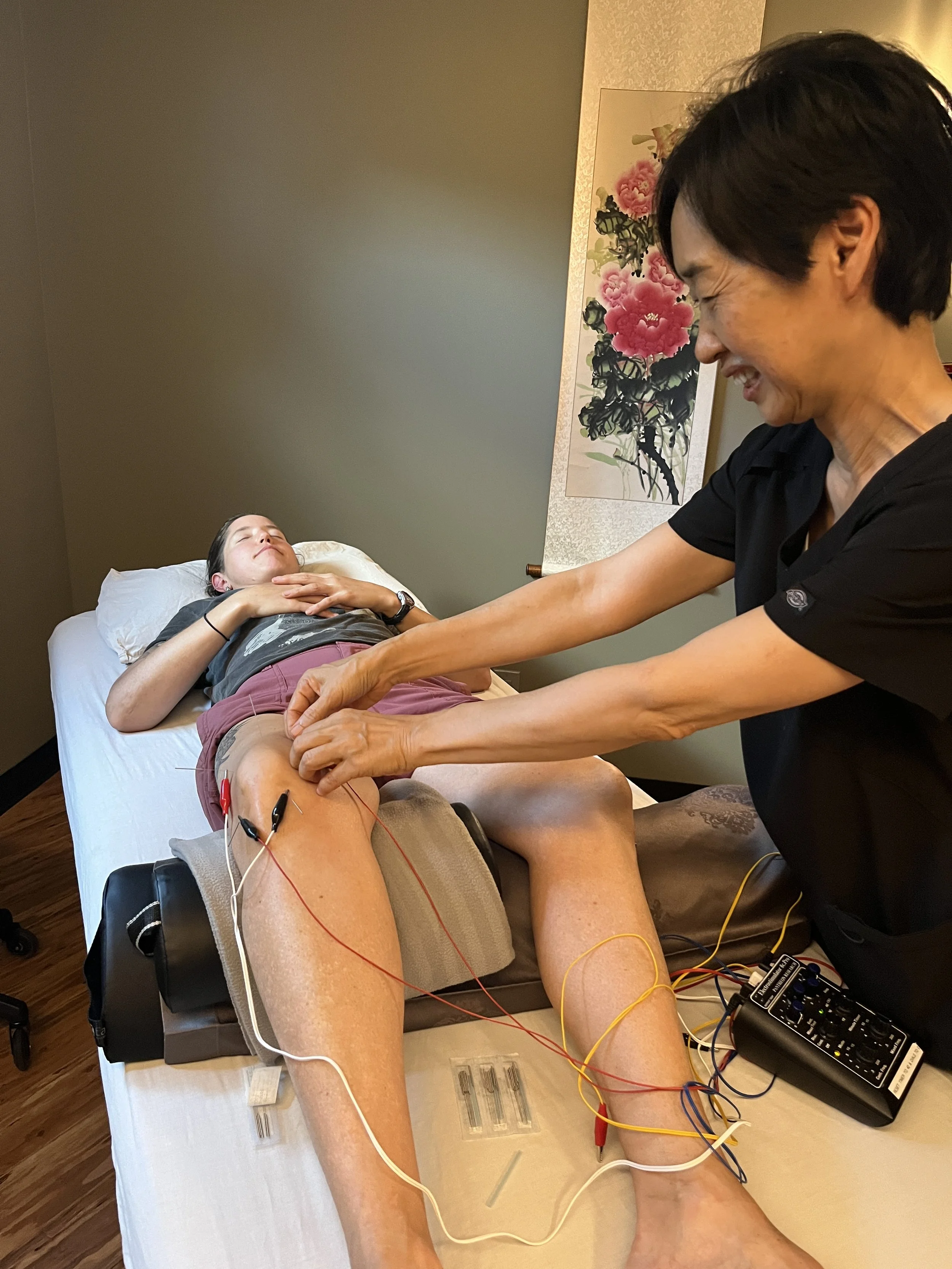
Electro-acupuncture is a modern form of acupuncture that combines traditional needle placement with gentle, controlled electrical stimulation. After very thin, sterile needles are inserted at selected acupuncture points, small clips connect some needles to a device that delivers a mild pulsing current.
Wildfire Smoke and Lung Health: Practical Protection and Support
When wildfire smoke rolls in, the most effective protection is still the simplest: reduce exposure. Stay indoors when air quality is poor, and wear a well-fitted mask that can filter particulates (like an N95) if you need to be outside. Once the basics are in place, certain nutrients and botanicals can help support your body’s response to smoke-related stress.
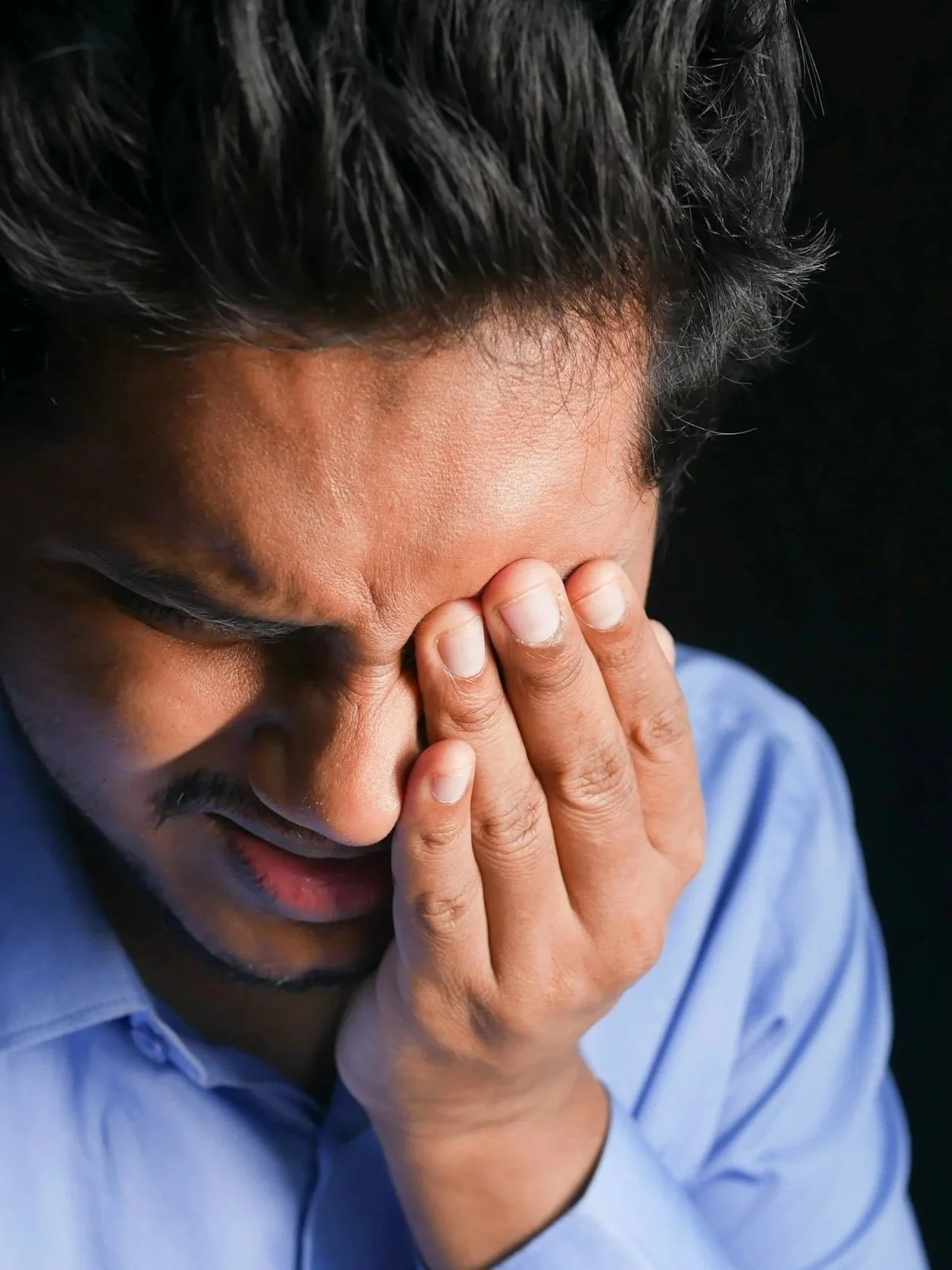
Acupuncture for Trigeminal Neuralgia: What Recent Research Means
If you’ve been diagnosed with trigeminal neuralgia, you know how disruptive and painful this condition can be. Many patients are prescribed carbamazepine, a medication commonly used as a first-line treatment. While it can be effective, many patients look for complementary or alternative treatment options that may help manage their symptoms without side effects. Arguably, acupuncture should be high on the list of those options.

Acupuncture and Moxibustion During Cancer Care: Potential Benefits and Safety
Acupuncture and moxibustion can be powerful allies for immune support during cancer treatment when used alongside standard oncology care, helping patients stay stronger, tolerate treatment better, and recover more smoothly. These therapies also greatly help in managing stress, pain, nausea and other symptoms that can accompany cancer treatment.
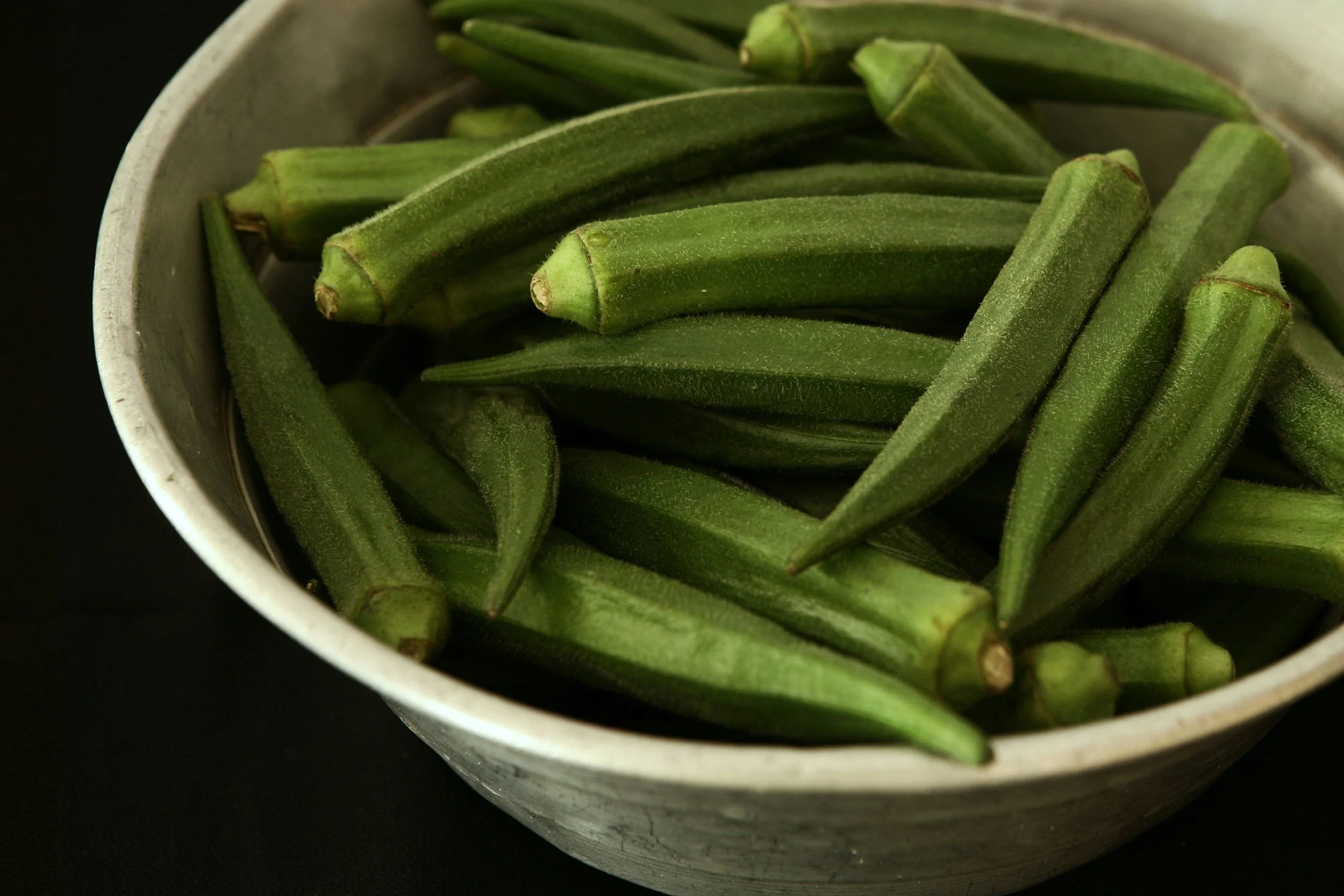
Nutrition During Cancer Care: A Chinese Medicine Perspective
Many patients are referred to us directly by their oncology team. In these cases, our role is clear: to support the patient through the side effects of cancer treatment, while strengthening the body overall. In Chinese medicine, we do not treat a diagnosis in isolation; we identify and treat patterns within the body. Once a pattern is understood, we apply targeted therapies. Nutrition plays a central role in this process.
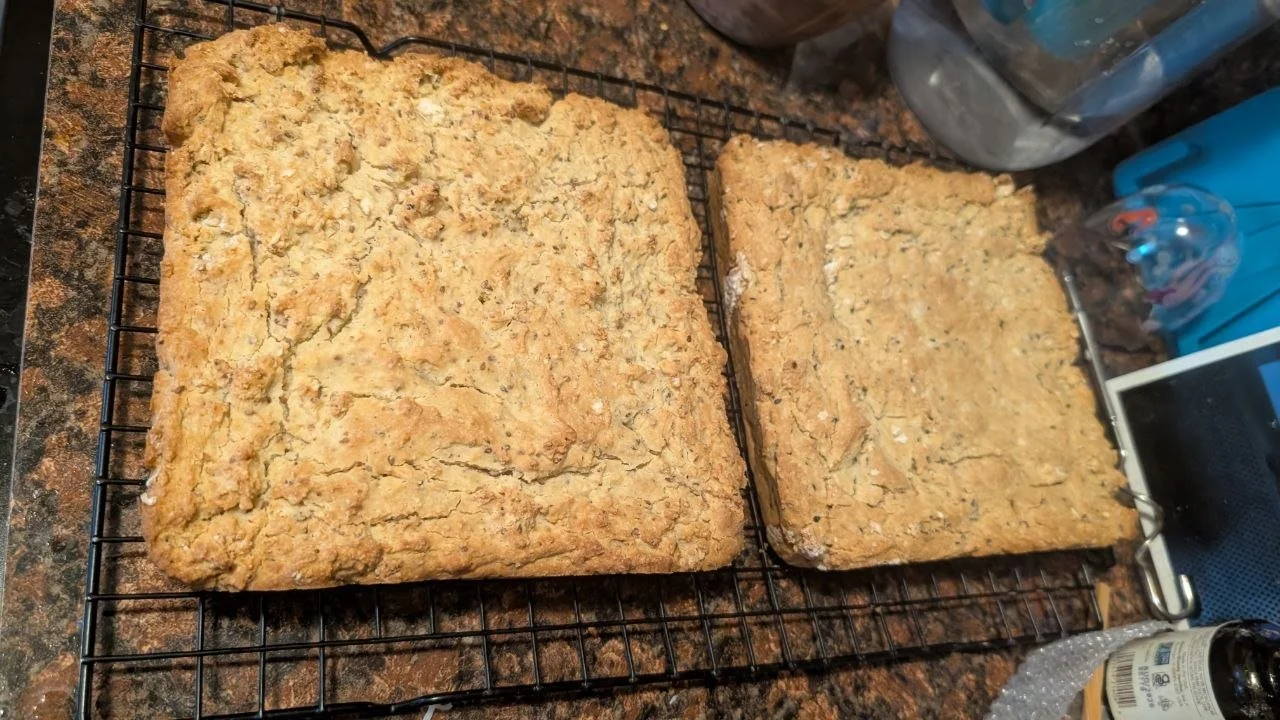
Black Sesame Mochi Cake Recipe: A Chewy, Less-Sweet Treat
Black sesame is one of the many foods that nourish the Kidneys, which are associated with the Water element and have energy that peaks during the winter season. In Chinese Medicine, the Kidneys store vital essence, or jing- one of the five fundamental substances and the source of living organisms. Healthy jing means great energy levels, healthy bones and teeth, and dark, thick hair!

Acupuncture for Fibromyalgia: Neuropeptide Y and Current Research
Acupuncture offers a research-backed, non-drug option that may help many people with the frustrating diagnosis of fibromyalgia feel and function better. Research suggests it can do so by influencing the body’s own pain‑modulating chemicals, including a messenger called neuropeptide Y.

Can Acupuncture Help Carpal Tunnel During Pregnancy?
Carpal tunnel syndrome is surprisingly common in pregnancy and can make everyday tasks—like holding a phone, typing, or even sleeping—much more uncomfortable. During this important time, many women prefer to limit medications, which is one reason acupuncture can be a great fit during pregnancy as a gentle, non-drug option for relief.
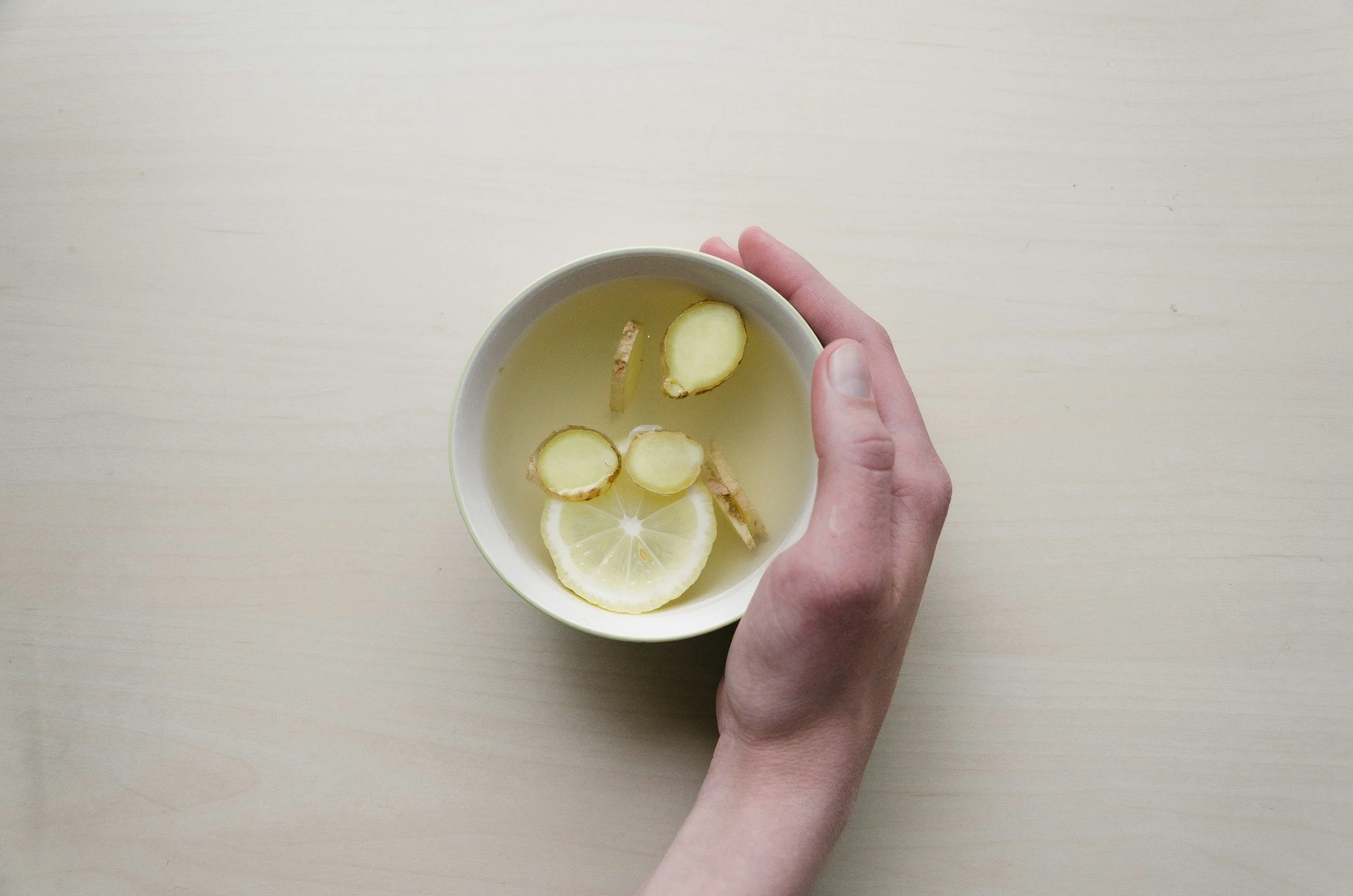
How to Detox for a New Year and Beyond
Around the New Year is when many of our patients start to talk about “detoxing” in order to get their health back on track. It seems like a natural inclination, especially if the holidays encouraged a freer intake of sugars, pastries and alcohol. However, expensive kits, concoctions and "crash cleanses" can be a bit overrated.