
Nutrition During Cancer Care: A Chinese Medicine Perspective
Many patients are referred to us directly by their oncology team. In these cases, our role is clear: to support the patient through the side effects of cancer treatment, including helping with neuropathy, fatigue, low immunity, insomnia, and digestive disruption, while strengthening the body overall. In fact, at Bridge we have a partnership with Penn Medicine-Doylestown where a special endowment is used to fund acupuncture treatments for cancer patients.
In Chinese medicine, we do not treat a diagnosis in isolation; we identify and treat patterns within the body. Once a pattern is understood, we apply targeted therapies including acupuncture, herbal support, Qi Gong, moxibustion, cupping, gua sha and Tui Na (manual bodywork). However, nutrition plays a central role in this process.
At the foundation of our approach is the relationship between yin and yang. Yang reflects the body’s functional activity, while yin represents its physical substance. During chemotherapy and radiation, it is common to see a depletion of yin, manifesting as weight loss, dryness, reduced appetite, and an overall loss of vitality. Without sufficient yin, the body lacks the material foundation required for repair. For this reason, our nutritional focus often begins with rebuilding. Foods that are deeply nourishing, moistening, and restorative are prioritized, particularly slow-cooked, moisture rich broths such as bone broth, which are valued for their ability to replenish fluids, support tissues, and provide nutrition that can be easily assimilated.
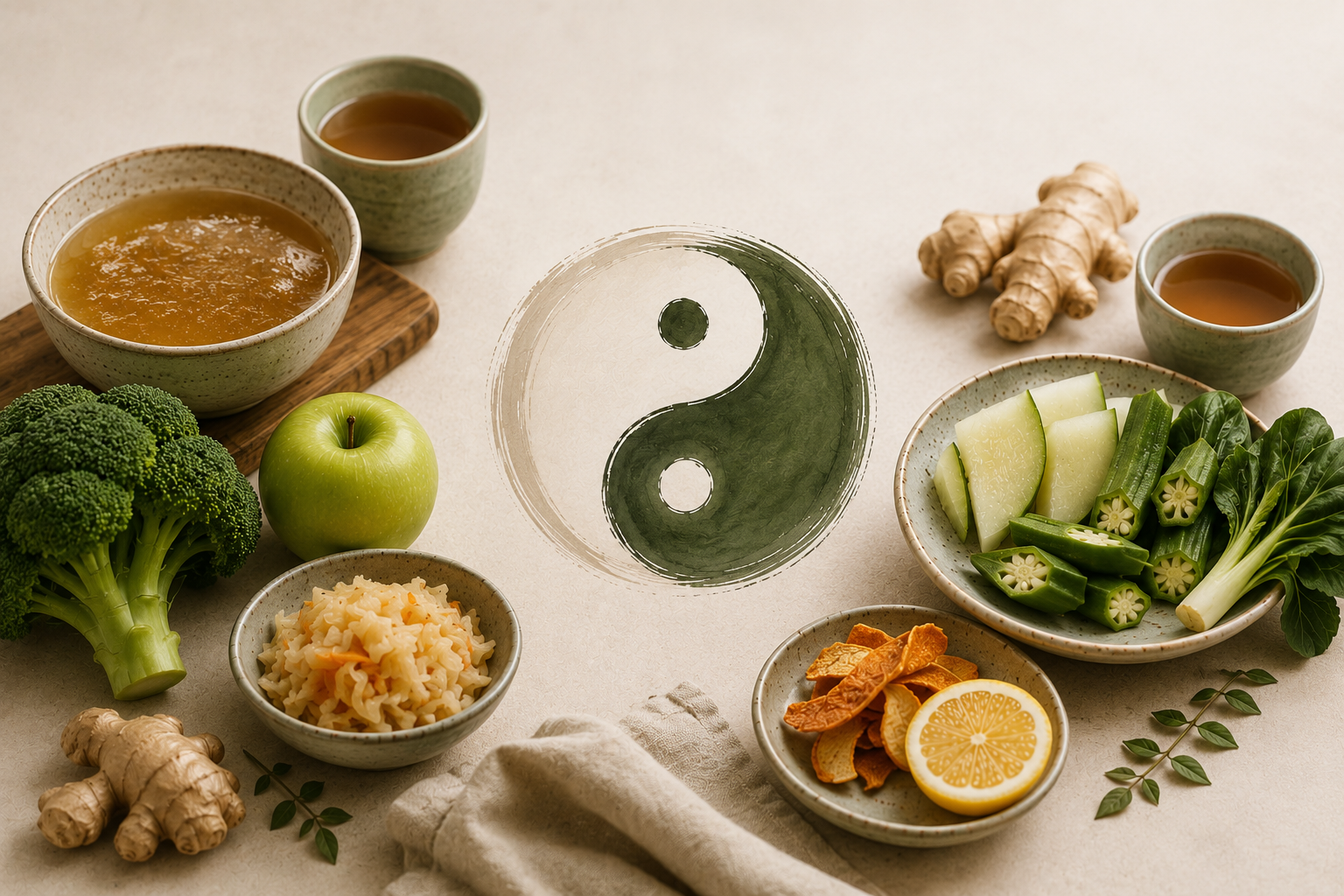
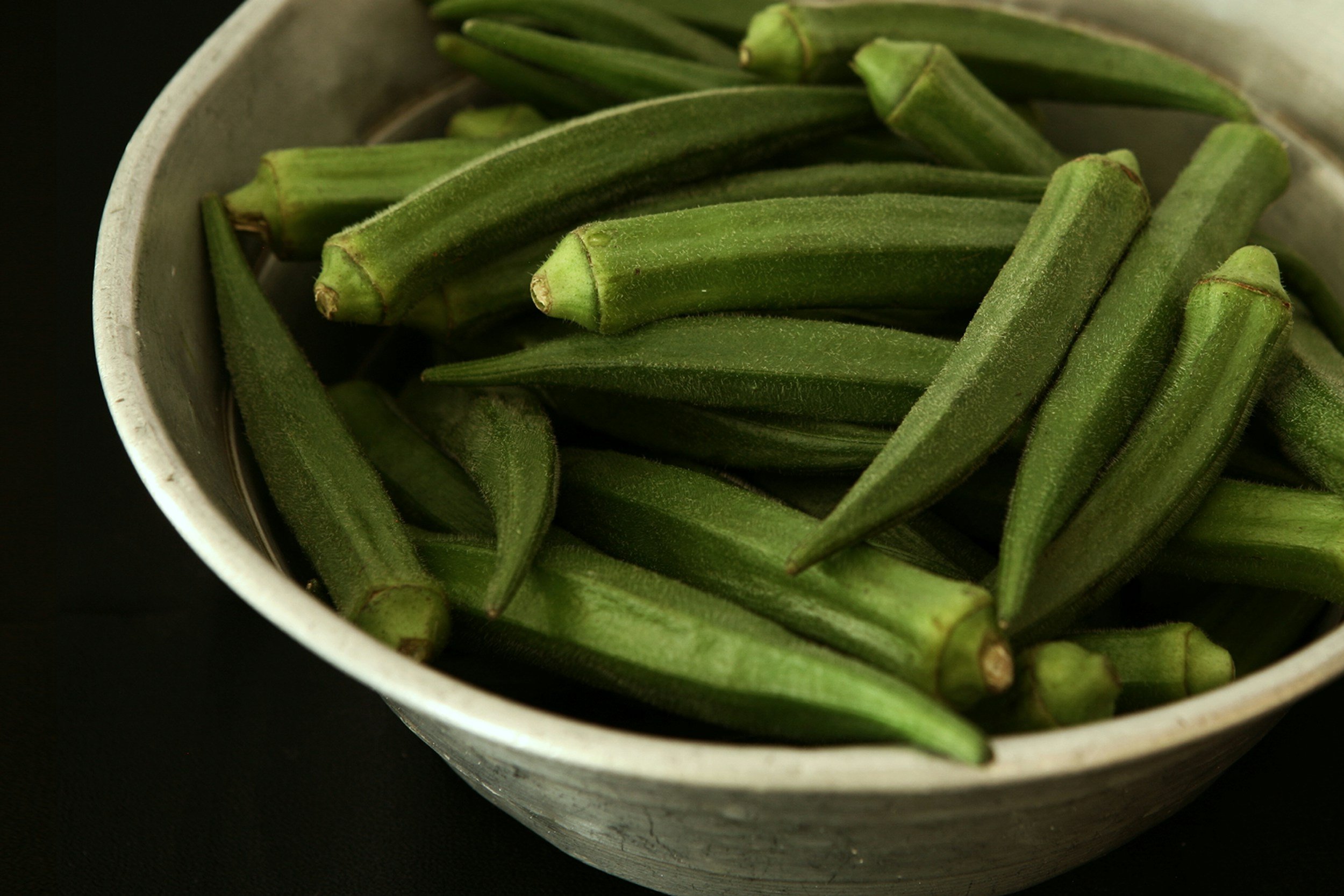
We also aim to support the body’s ability to stabilize and regulate internal processes. Light vegetable preparations, including juices when appropriate, particularly those featuring cruciferous vegetables such as broccoli, are often recommended. When paired with slightly tart fruits like green apple, these combinations introduce an astringent quality that, in Chinese medicine, helps consolidate and contain. Foods such as okra and winter melon are also utilized for their ability to clear heat while preserving fluids. This is especially helpful because many patients are experiencing both inflammation and depletion.
Digestive function is another important focus. Appetite is often compromised during treatment, and without proper intake and transformation of nutrients, recovery is limited. Small amounts of fermented foods, such as sauerkraut or pickled vegetables, may be used to gently stimulate gastric function when appropriate. Citrus peels, such as lemon or tangerine, can further support digestive regulation, while ginger tea is frequently used to harmonize the stomach, reduce nausea, and promote the downward movement of qi.
Equally important is maintaining regular elimination. Adequate fiber and hydration support healthy bowel function, ensuring the body can efficiently process and clear waste without burdening the system.
In more advanced presentations, including metastatic conditions, we often observe patterns consistent with internal heat and toxicity. In these cases, dietary strategy becomes more selective. Foods that contribute to stagnation and excess heat, particularly heavy, greasy meals and overly stimulating spices, are minimized to reduce additional strain on the system.
Understanding the terrain, identifying the pattern, and applying the right support are central to this approach. When approached this way, even challenging treatments can be met with greater clarity and support. Please let us know if we can help.